What it is
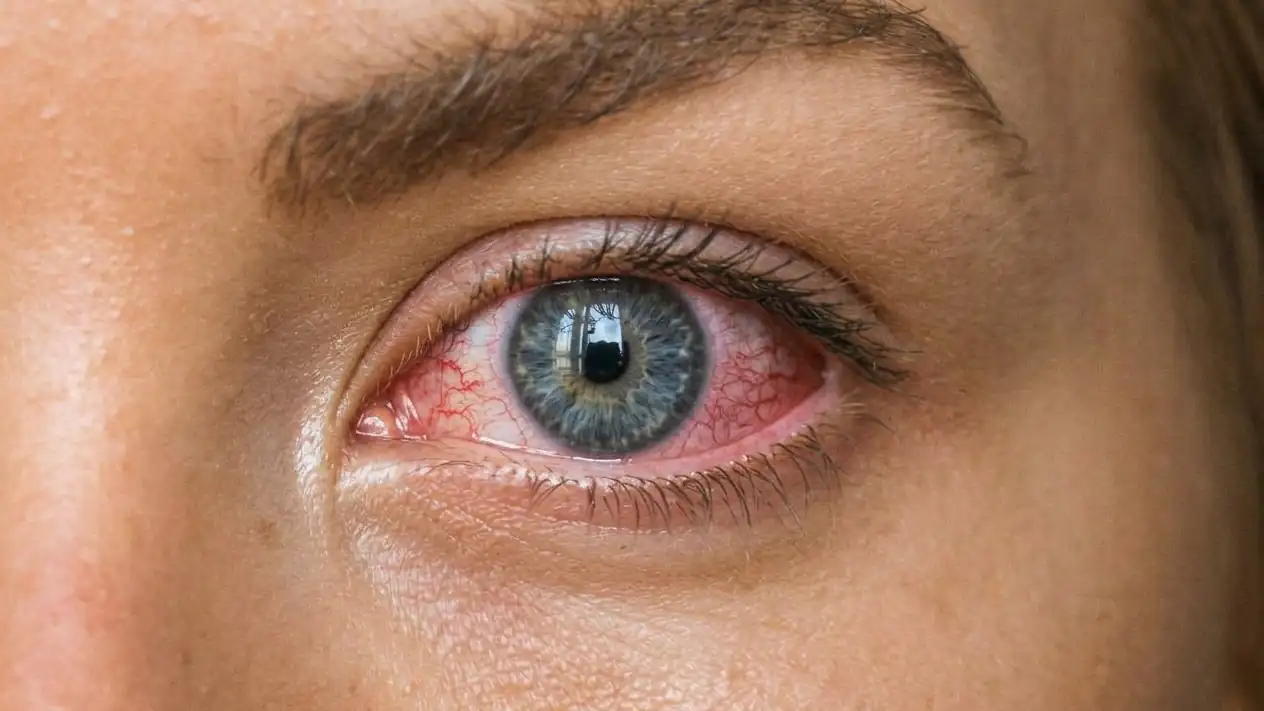
Blepharitis is inflammation of the edge of the eyelids, right where the lashes grow. It is very common and one of the most frequent causes of irritated eyes that never quite feel right.
It nearly always affects both eyes and comes and goes: better spells and worse ones. It usually starts in adulthood, although children get it too. It is not contagious and, in the vast majority of cases, it does not affect your sight. What it does do is cause a lot of discomfort if it is not looked after.
Two forms that often go together
Anterior blepharitis
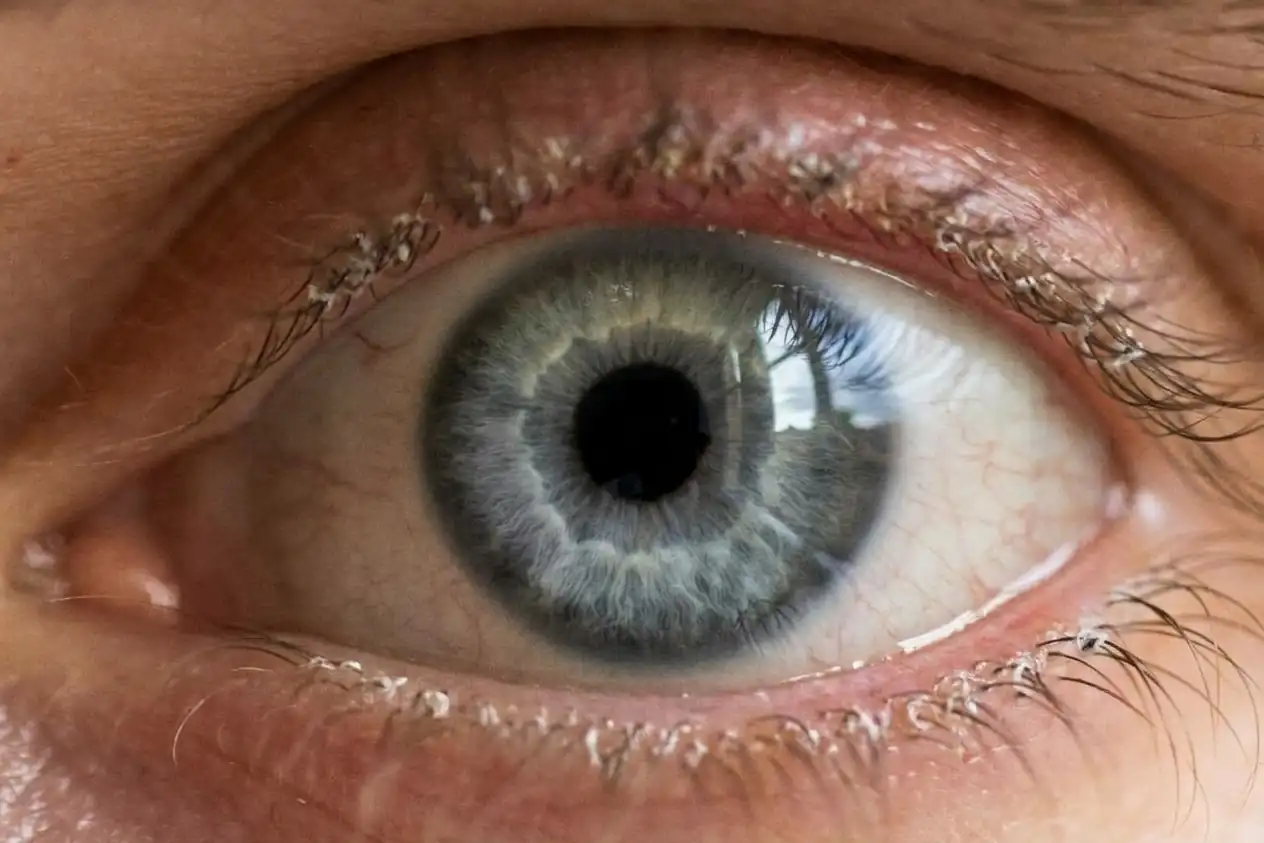
This affects the outer part of the lid edge, at the base of the lashes. You see crusts, scales or a kind of dandruff stuck to the lashes. Behind it there are usually the bacteria that live on the skin, oily, flaky skin, or a mite called Demodex.
Meibomian gland dysfunction
Inside the eyelid there are glands that make the oily part of your tears. If that oil thickens and blocks the openings, the tears evaporate quickly and the eye dries out. This is the most common form and the one most closely linked to dry eye.
Many people have a bit of both. Telling them apart matters, because cleaning works best for the anterior form and warmth is key for the gland form.
Symptoms
- Red or swollen eyelid edges.
- Stinging, burning or a gritty feeling.
- Crusts or discharge stuck to the lashes, especially when you get up.
- Watery eyes or, the other way round, dry ones. Vision that blurs and clears when you blink.
- Discomfort that is usually worse in the morning.
- Styes or chalazia (lumps in the eyelid) that keep coming back.
See a doctor if it only happens in one eye and does not improve with care, if you lose lashes in one particular area, or if a lump on the eyelid always comes back in the same place. It is almost never serious, but other eyelid lesions need to be ruled out.
What it is linked to
Rosacea
Rosacea is a skin condition that reddens the cheeks and nose, with small visible blood vessels and a tendency to flush. Many people with the gland form of blepharitis have it, sometimes without knowing. If that is you, it is worth having a dermatologist look at it as well.
Dry eye
The two go hand in hand. With the glands blocked, the tears lose their oily layer and evaporate. Treating the eyelids usually improves the dryness, and the reverse is also true: artificial tears without treating the eyelids fall short.
Demodex
This is a tiny mite that lives in the lash follicles of many healthy people. When there are too many, they irritate the eyelid. A typical clue is collarettes: whitish cuffs at the base of the lashes. It is suspected mainly when blepharitis does not respond to the usual hygiene.
Oily skin and dermatitis
Seborrhoeic dermatitis (the kind that causes dandruff and flaking on the eyebrows and nose) is also linked to the anterior form.
Eyelid hygiene: the basis of treatment
No eye drop replaces this. Warmth to soften the oil and the crusts, a gentle massage to empty the glands, and cleaning to remove what is left. Once or twice a day, whenever suits you best.
Your daily routine, step by step
- 1Wash your hands.
- 2Warmth: with your eyes closed, place a warm compress over your eyelids for about 5 to 10 minutes. A clean flannel soaked in hot tap water, wetted again when it cools, or a heated eye mask both work. It should be warm, but never so hot that it burns your skin.
- 3Massage: with your eyes closed and using your fingertip, press gently from the base of the eyelid towards the lashes. Downwards on the upper lid and upwards on the lower lid. Do not press on the eyeball.
- 4Cleaning: with gauze, a cotton bud or a cotton pad moistened with an eyelid cleanser (or with lukewarm water and a few drops of baby shampoo), gently rub the base of the lashes from side to side. Use a fresh one for each eye.
- 5Rinse with lukewarm water and pat dry carefully.
If you have glaucoma, especially if it is advanced or you have had surgery for it, do not do the massage without asking me first: pressure on the eye is not good for you. And if you find it hard to do precisely, tell me and we will find an alternative.
More is not better. Rubbing hard or many times a day ends up irritating the eyelid.
Other treatments
When hygiene is not enough, there are more options. They are chosen according to the form of blepharitis and how severe it is, and they are often combined.
- Artificial tears, preferably ones with an oily component and, if you use them many times a day, preservative-free.
- Antibiotic ointment or drops on the edge of the eyelid, for a few weeks, to reduce the bacteria.
- Antibiotics by mouth at low doses for a period of time. In blepharitis they are used mainly for their anti-inflammatory effect on the glands, and they also help with rosacea. They are not for everyone: it depends on your age, other treatments you take and whether you are pregnant.
- Anti-inflammatory eye drops, including steroids, in short courses for flare-ups. Always with monitoring, because long-term use can raise the pressure in the eye.
- Treatments against Demodex, when it is the cause.
If you are going to have cataract surgery or injections in the eye, it is best to have your blepharitis under control first: an inflamed eyelid increases the risk of infection.
Patience: this takes weeks
You will not notice the improvement in two days. Give the routine at least a few weeks before deciding whether it works. Often you have to try things and adjust until you find what works in your case.
When you are better, do not stop completely. You can cut down to a few days a week, but if you give up the hygiene, the symptoms come back. Think of it like brushing your teeth: a habit, not a treatment with an end date.
- Remove eye make-up thoroughly every night and avoid using eyeliner on the inner rim of the eyelid.
- If you wear contact lenses and they bother you, mention it to me: sometimes you need to cut down the hours or change the type during flare-ups.
- If you have rosacea or dandruff, treating them also helps your eyelids.
Have your eyelids been irritated for a while and nothing seems to work?
Call and I will give you an appointment. I look at the edge of the eyelid under the microscope, find the cause and show you how to do the cleaning for your case.